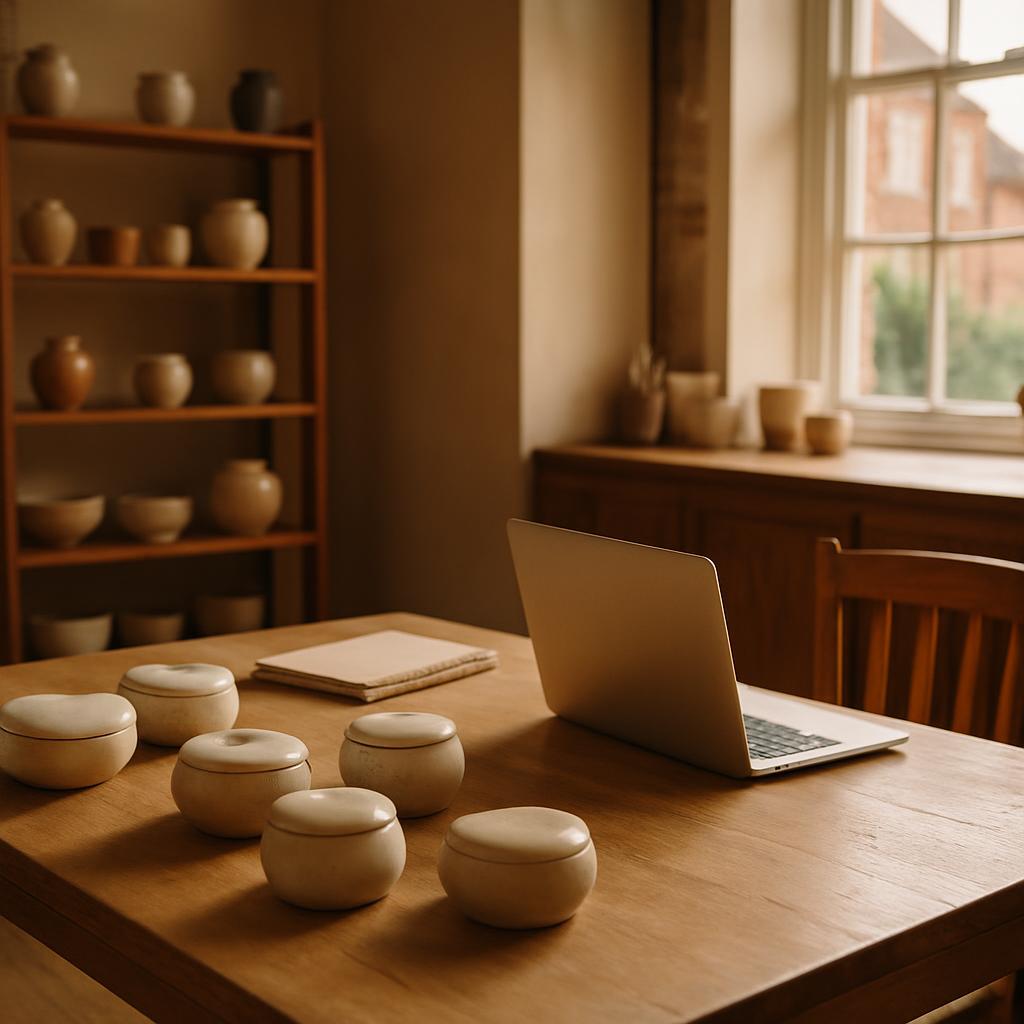
What Strelley Businesses Know About Ceramic Keepsakes
Find Out More →Walk into any established local business in Strelley—a café, a gift shop, a salon—and you'll often spot ceramic keepsakes displayed with real intention. They're not just sitting on a shelf. They're positioned, cared for, and actually integrated into how the space works. Meanwhile, most of us at home treat them as afterthoughts: nice things we inherited or bought, then tucked away because we weren't quite sure what to do with them.
The gap between how local businesses handle ceramic keepsakes and how homeowners do is worth closing. There are practical lessons in there that don't require you to run a shop.
Why Businesses Think Differently About Display
Local businesses know that ceramic keepsakes aren't decoration in the traditional sense—they're conversation pieces. They draw the eye and tell a story. That's why they display them front and centre, not hidden away in a cupboard or relegated to a back room.
A business considers lighting, placement, and accessibility. They ask: where will people actually see this? What does it say about us? How will it hold up in a high-traffic space? These aren't grand questions, but they're deliberate ones. At home, you might own beautiful ceramic pieces but keep them out of sight because you're worried about breakage or because the shelf space feels too precious. Businesses make a different calculation: the value of having it visible outweighs the risk.
That doesn't mean you need to create museum-quality displays in your living room. But it does mean thinking about where a ceramic keepsake actually belongs in your home—not where it fits, but where it'll be appreciated. A hallway catch-all shelf, a mantlepiece, a bookcase that guests can see. Somewhere it gets used, looked at, talked about.
How Businesses Maintain Them (And Keep Them Lasting)
Here's what might surprise you: businesses that handle ceramic keepsakes regularly often maintain them better than people who own just one or two. They develop routines. They know which materials need careful handling, how to clean them without damage, and when to accept that wear is part of their story rather than a failure.
If a piece gets chipped, a business doesn't panic or hide it. They either accept it as patina or they address it properly—researching the right repair method, not just gluing it and hoping. That's partly because these pieces matter to how they present themselves. But it's also because they've learned that ceramic keepsakes repay attention.
At home, you can borrow this approach. If you own something ceramic that matters—whether it's a handmade bowl, a commemorative piece, or something passed down—it deserves a spot in your regular household rhythm. Keep it somewhere you actually see it. Clean it when you clean other things. If it breaks, don't hide it in a drawer; decide consciously whether it's worth repairing and do it properly. Find out more about how to handle and care for pieces that matter to you.
The Value of Intentional Curation
Businesses don't fill their shelves with every ceramic keepsake they own. They choose. They curate. A café might display three or four handmade pieces that align with its identity, not twenty. They rotate things seasonally. They remove pieces that no longer fit the space or that have genuinely outlived their life.
This is perhaps the biggest lesson for homeowners. Most of us accumulate ceramic keepsakes without actively deciding what stays and what goes. We keep them because getting rid of them feels wasteful, or because we feel obligated (it was a gift, it's sentimental, someone made it). But a home full of undecided possessions isn't actually a home—it's storage.
Think of your ceramic keepsakes the way a business would: which ones do you actually want to live with? Which ones make you smile or tell a story worth keeping? Keep those. Enjoy them. Display them. For the rest, there's no shame in passing them on or letting them go. That clarity—that intentionality—is what makes the pieces you do keep feel meaningful.
Turning Business Sense Into Household Practice
You don't need to run a shop to apply this thinking. Start by auditing what you actually own. Take ceramic keepsakes out of hiding and look at them properly. Decide which ones belong in your everyday life and which ones don't. Choose a spot where they'll be seen, handled a little, lived with rather than preserved.
Then treat that space like a business owner would: maintain what's there, keep it clean, let it age naturally. If something breaks, repair it or retire it consciously. Learn more about appreciating handmade ceramics and what makes certain pieces worth keeping.
If you're thinking about commissioning or purchasing new ceramic keepsakes, bring that same intentional mindset. Don't buy for the sake of it. Choose pieces that'll actually integrate into your home and your life—pieces you'll want to see, use, and maintain.
That's what Ceramic Keepsakes Strelley understands: the best ceramic pieces aren't the ones locked away for safety. They're the ones you live with, care for, and let become part of your story. Get in touch with Ceramic Keepsakes Strelley to find or create pieces that deserve a real place in your home.
Looking for Ceramic Keepsakes near Strelley?
We have secure, flexible units available in the area. Get in touch with Ceramic Keepsakes Strelley today.
Find Out More →